Cute Animal Illustrations: A Designer’s Go-To for Charming Visuals
When you’re working on a project that needs to feel approachable, friendly, and instantly engaging, the right visual asset can make all the difference. Cute Animal Illustrations is a collection of high-resolution JPEG graphics designed to do exactly that. These aren’t your typical low-quality clip art files; they are detailed, professionally rendered animal characters at a substantial 2829px by 4242px resolution and 300 PPI. This makes them suitable for both digital screens and high-quality print applications, giving designers, marketers, and creators a versatile tool for adding warmth and personality to their work.
Understanding the Visual Style and Appeal
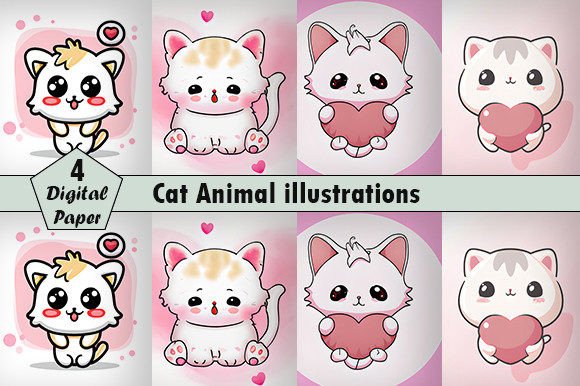
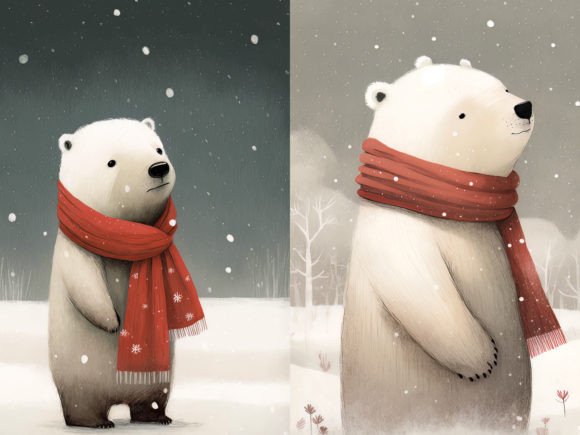
The charm of Cute Animal Illustrations lies in their balanced aesthetic. They strike a careful middle ground between stylized cartoon art and realistic detail, avoiding extremes that might date quickly or limit their use. The characters often feature soft, rounded forms, expressive yet gentle eyes, and a color palette that feels harmonious and inviting. This isn't chaotic, overly saturated clip art; it's designed with a keen eye for composition and emotional resonance. The personality conveyed is one of innocence, curiosity, and gentle fun—qualities that resonate across a wide demographic, from young children to adults who appreciate a touch of whimsy in design.
From a technical standpoint, the high resolution is a significant practical advantage. At 300 PPI, these illustrations maintain their clarity and detail when scaled for large format printing, such as posters, wall art, or product packaging. The JPEG format, while lossy, is optimized for photographic and complex tonal gradients, which suits the likely rendering style of these animals. For designers, this means less time spent on file conversion or worrying about pixelation in a final printed piece. It’s a premium design asset that prioritizes immediate usability and quality.
Practical Applications Across Creative Projects
Where do Cute Animal Illustrations truly shine? Their application is broad, but they are particularly effective in projects where establishing an emotional connection or conveying friendliness is a primary goal. Consider brand identity for a children’s educational app, a pet care service, or a family-oriented blog. A well-chosen animal character can become a recognizable mascot, building instant rapport with the target audience. In packaging design, especially for products aimed at families, snacks, or eco-friendly goods, these illustrations can make a product stand out on a crowded shelf with a welcoming visual cue.
For digital and web design, they serve as excellent hero images, blog post featured graphics, or engaging elements within an email newsletter. A single, high-quality animal illustration can break up text-heavy content, guide the user’s eye, and make a website feel more personable. In the realm of social media graphics, where stopping the scroll is paramount, a charming animal can be far more effective than a generic stock photo. They’re also ideal for creating consistent visual themes across a series of posts or stories.
Beyond commercial use, these illustrations are a fantastic resource for personal and craft projects. Think custom stationery, birthday party invitations, nursery wall art, or DIY project decals. For bloggers and content creators, they can be used to create custom featured images, infographics, or printable freebies for their audience, adding unique value that generic stock cannot match.
Making the Right Choice for Your Project
Integrating any new design asset requires a thoughtful approach. Start by evaluating the specific personality of the Cute Animal Illustrations set against your project’s needs. Does the style of the animals align with the tone you want to set? A mischievous raccoon might suit a playful brand, while a serene deer could be better for a nature-focused wellness brand. It’s about matching the illustration’s inherent personality with your brand’s voice.
Next, consider practical integration. These are standalone illustrations, not a typeface. Therefore, you’ll need to pair them with appropriate typography. A friendly, rounded sans serif font often complements the approachable nature of the animals without competing for attention. If your brand uses a more traditional serif font or a script font, test the pairing carefully to ensure the illustration doesn’t clash with the typographic hierarchy. The goal is visual harmony, where the image and text support each other.
Always test the illustrations in context. Place them within a mockup of your layout—whether it’s a website header, a product label, or a social media post. Check for readability of any overlaid text, ensure the color palette works with your existing brand colors, and verify that the illustration’s composition guides the eye as intended. Because the files are high-resolution, you have flexibility to crop and adjust without losing quality, but starting with the right composition saves time.
Finally, while the description notes these are JPEG files suitable for commercial projects, it’s a standard best practice to verify the specific licensing terms included with your purchase. Ensure the license covers your intended use, especially for large-scale commercial applications like merchandise or national advertising campaigns. This due diligence protects your project and ensures you are using the asset legally and ethically.
In a digital landscape saturated with sterile, generic imagery, thoughtfully crafted Cute Animal Illustrations